Blog
Driving Clarity Through Defined Milestones
With the UK targeting around 300,000 public charge points by 2030, the scale and complexity of EV infrastructure delivery is increasing fast. Today there are already tens of thousands of public chargers in operation, and when you include home, workplace and public infrastructure, there is now almost one charger for every fully electric vehicle on UK roads.
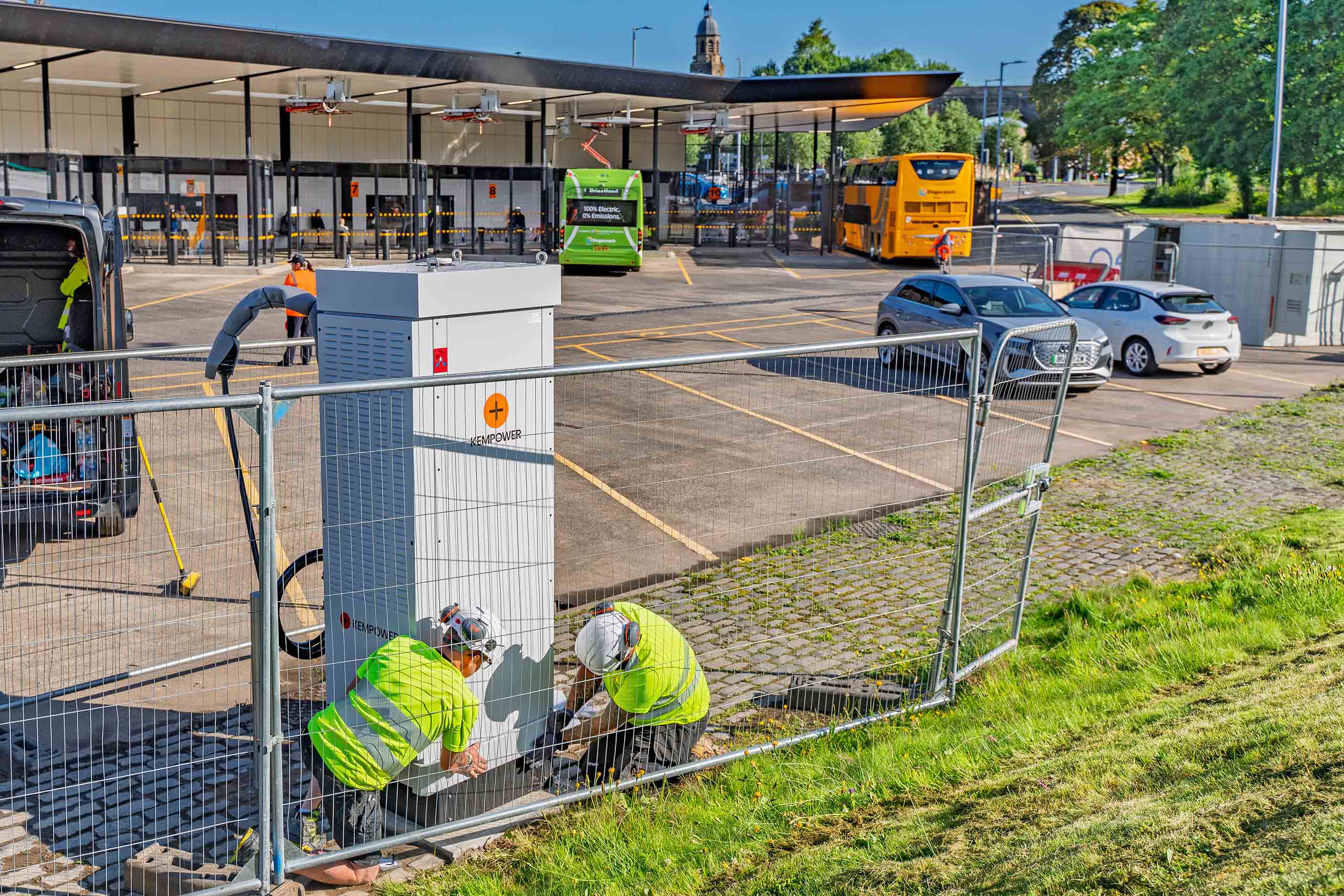
In this context, high‑power charging sites are becoming more common, often integrated into busy depots, hubs and public transport interchanges with tight windows for access, construction and energisation. These environments bring together demanding electrical requirements, constrained sites and live operations, making structured delivery essential rather than optional.
In this kind of environment, milestones are not admin for a Gantt chart, they are the backbone of safe, scalable delivery. Every successful EV infrastructure project starts with clarity. Defined milestones map each stage of delivery, from grid applications and off‑site works through civil construction, charger installation, commissioning and handover. They are not arbitrary checkpoints, but meaningful, collaborative waypoints that give everyone a shared view of where the project stands and what needs to happen next.
But no project is perfectly linear. Grid connection dates can move, ground conditions can force redesigns, and third‑party dependencies can slip, exactly the kinds of challenges the UK government has highlighted as barriers to rolling out charging infrastructure at pace. On large EV sites, it is easy to see how quickly things can go wrong when milestones are vague: a late change to trenching routes or a delayed permit can cascade into missed installation windows, idle teams on site and rebooked traffic management. The difference comes when milestones are used as a live framework rather than a fixed script. By re‑sequencing activities, for example, prioritising on‑site civils while an off‑site connection is being re‑programmed, or bringing forward commissioning on part of the site once a cabinet is energised, project teams can protect critical dates and, in some phases, even accelerate delivery once dependencies shorten.
The takeaway for large‑scale EV infrastructure projects is simple: milestones should anchor progress, not freeze it. The best delivery teams treat them as adaptable frameworks, clear enough to keep everyone focused, flexible enough to absorb real‑world change, and robust enough to get complex, high‑power infrastructure safely over the line.
Collaboration: The Cornerstone of Delivery
No organisation delivers EV infrastructure alone. Success depends on the collective expertise of local authorities, grid operators, contractors, suppliers, and technology partners, all working in sync toward a shared goal. When delivery timelines are tight and sites are technically complex, collaboration is not a “nice to have”, it is the difference between a project that stalls and one that connects on time.
From day one, establishing clear roles and responsibilities helps avoid duplication and delays, while regular, structured communication keeps everyone aligned. Shared trackers, joint progress calls, and transparent reporting give each stakeholder the same view of risks, dependencies, and decisions. When issues arise, whether it is an unexpected trenching route, a revised grid connection date, or a utility interface challenge, proactive coordination allows teams to agree a plan quickly and keep work moving on site rather than slipping into standstill.
Kilmarnock is a good example of what that looks like in practice. This was not a simple charger swap, but a multi‑stakeholder project bringing together EO, Gigawatt, the local authority, grid operator, and civil and electrical contractors on a tight delivery window. From the outset, we defined who owned which decisions, how information would flow, and how changes would be handled. Daily coordination calls meant that when a late‑stage routing change and revised grid programme emerged, the team could re‑sequence works: civils advanced where access was available, electrical installation was phased to match energisation, and commissioning activities were re‑planned to make use of every available window. Instead of cascading delays, the project held its critical milestones and sections of the site were able to go live earlier than originally expected.
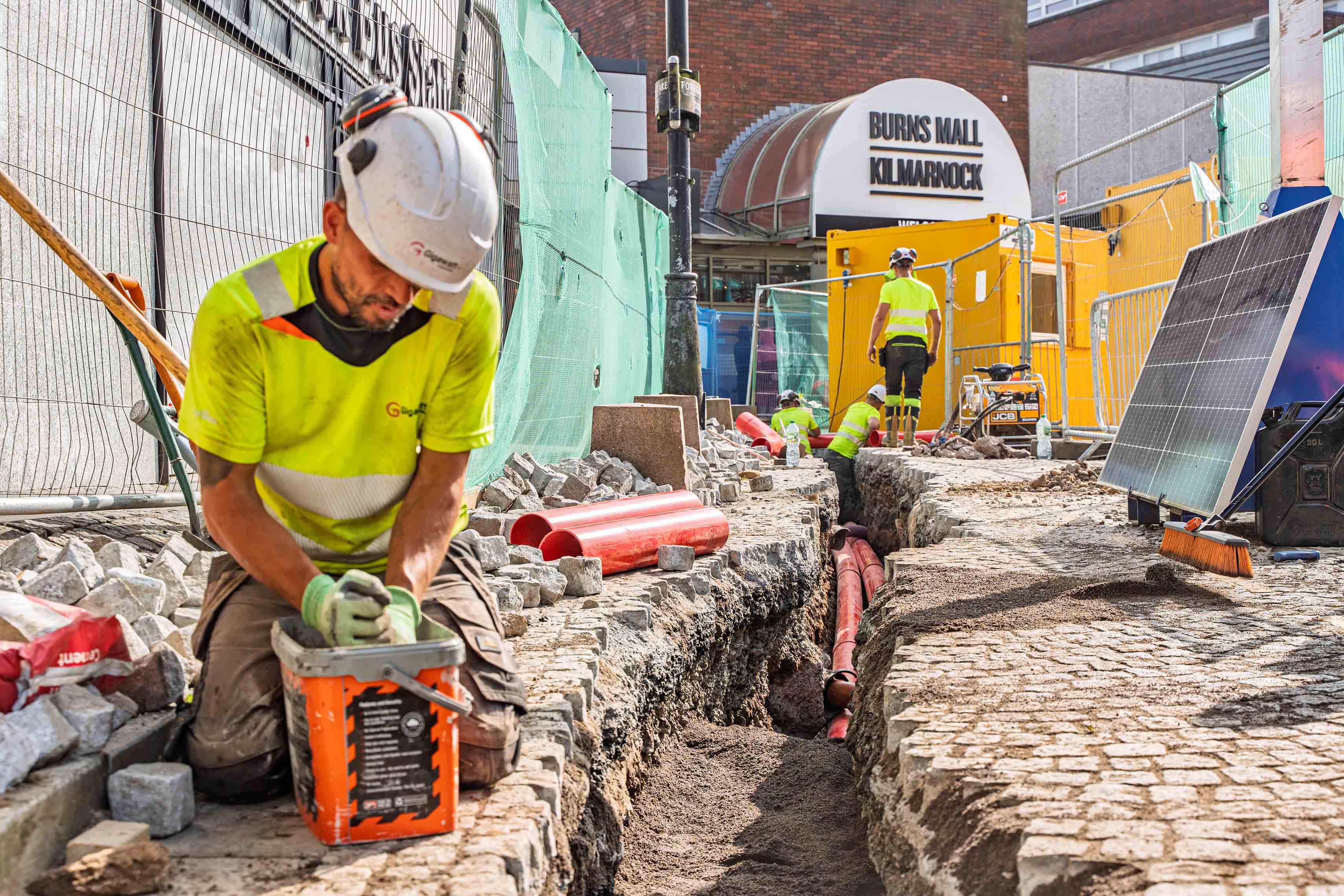
The EO × Gigawatt partnership was central to making that work. EO’s platform, charging hardware and operational requirements framed what “good” looked like for the site; Gigawatt’s delivery teams translated that into buildable stages, realistic risks, and on‑the‑ground decisions. Joint planning sessions aligned design and delivery, shared dashboards kept everyone looking at the same data, and key calls, from how to phase bays to how to handle revised utility dates, were made collaboratively, not in isolation. That combination of clarity, shared tools, and joint ownership is what turned a challenging programme into a coordinated success.
As one EO project manager summed it up:
“Kilmarnock only came together at the pace it did because everyone treated it as one team. EO brought the operational brief, Gigawatt brought the delivery expertise, and together we stayed close enough to the detail to solve problems before they became delays.”
Shared accountability, transparency, and trust do more than keep projects on track, they turn complex, high‑pressure EV infrastructure schemes into proof points for what effective partnership can deliver.
Transparency Through Digital Tools
One of the biggest challenges in large‑scale EV infrastructure delivery is maintaining visibility. With multiple contractors, approval processes, and technical dependencies in play, stakeholders can easily lose sight of real‑time progress or emerging risks.
Clear visibility across every stage of a project builds trust, accountability, and confidence, all of which are essential when timelines are tight. A structured way to track milestones, outstanding actions, and dependencies means every stakeholder understands where things stand, what has changed, and what is required next.
For most organisations, this is enabled by a shared digital environment rather than scattered spreadsheets or email threads. Features such as real‑time status views, live task updates, and automated reporting give project teams and fleet operators a single, reliable source of truth, from early design and grid applications through to commissioning and handover. Dashboards that surface key metrics (programme health, site readiness, connection status, charger performance) allow issues to be spotted early, while shared trackers and notifications keep everyone aligned on the next actions.
Looking ahead, the most effective platforms will go further than simple progress tracking. Integrating smart metering data, energy usage insights, and predictive analytics will allow operators to see not only where a project is today, but how it is likely to perform once live, from load profiles and peak demand to the impact on wider fleet operations. Tying this data back into project visibility closes the loop: delivery teams can design, phase, and future‑proof infrastructure based on real operational behaviour, not just assumptions.
In that sense, transparency is more than good governance. It is what keeps complex EV infrastructure moving in the right direction today, and what will enable smarter, more efficient decision‑making as projects scale in size, power and strategic importance.
Futureproofing: Building Beyond Day One
EV projects and charging sites have to be built not just for today’s utilisation, but for the fleets they will be supporting over the next decade. As electrification accelerates and more vans, buses and heavy vehicles go electric, the sites that can scale efficiently will separate the leaders from the slow adopters. Industry forecasts point to rapid growth in commercial EVs by 2030, with electric vans and buses becoming a mainstream part of UK fleets, bringing far higher, more concentrated charging demand than early pilot sites ever saw.
Futureproofing starts with designing in flexibility. That means sizing grid capacity with a clear view of future phases, not just day‑one chargers; planning modular charger configurations that make it easy to add extra cabinets or satellites; and deploying smart energy management and load‑balancing strategies so power can be dynamically shared across bays as utilisation grows. Layering in energy storage systems at suitable sites can further smooth peaks, reduce grid constraints, and create headroom for future expansion without triggering major reinforcement works.
The projects that get this right already treat grid planning as a long‑term decision, not a short‑term cost. By modelling future fleet profiles early and securing sufficient capacity up front, operators avoid being locked into undersized connections that cap growth or force disruptive, expensive upgrades later. In practice, this has meant designing sites with spare capacity on the LV board, pre‑installing ducting and bases for future chargers, and phasing works so additional units can be brought online with minimal downtime.
In short, building resilience and scalability from day one, through smart load management, modular hardware, battery support and forward‑looking grid design, protects long‑term investment and ensures the site can evolve as vehicles, charging speeds and operational requirements change. That is what turns today’s EV projects into tomorrow’s critical fleet infrastructure.
Driving Long-Term Growth for Clients, Communities, and Teams
The transition to electric transport is not only transforming fleets, it is reshaping communities and the infrastructure that supports them. Every new charging site adds capacity, resilience, and confidence to a wider network of accessible, reliable energy for transport. A single depot or bus station can support hundreds of zero‑emission journeys a day, cutting local emissions and noise while proving that large‑scale electrification can work in practice, not just in strategy documents.
For operators, that means infrastructure that can grow with demand. Sites need enough capacity, smart controls, and operational insight to maintain high uptime levels and keep vehicles moving, even as duty cycles become more demanding. For communities, it means cleaner air, quieter streets, and better access to public transport that feels modern, reliable, and easy to use. For the industry as a whole, it means embedding excellence in delivery, innovation, and collaboration as standard practice rather than a one‑off achievement.

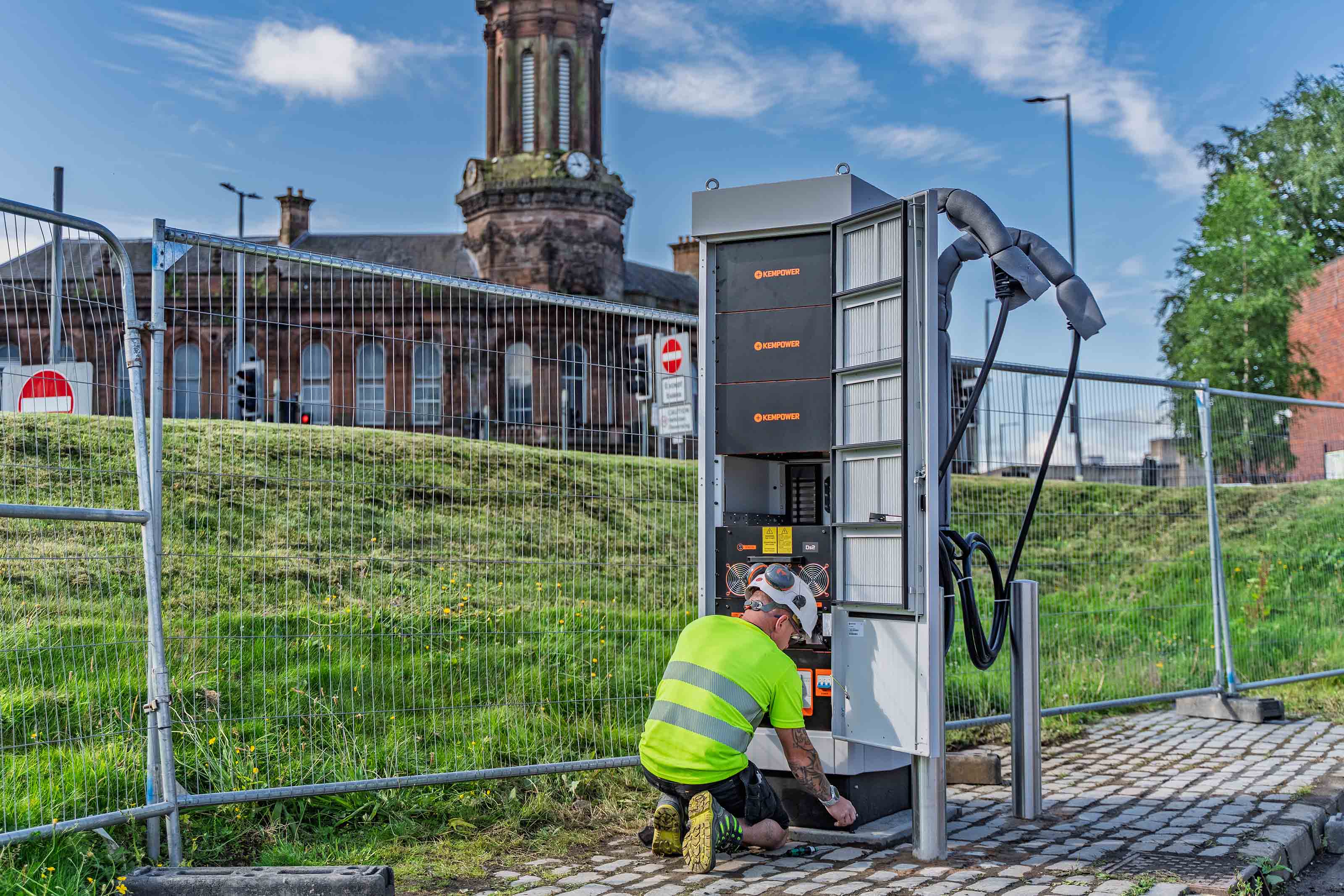
Kilmarnock Bus Station is a reflection of that approach. By combining clear milestones, adaptable design, and close partnership between EO, Gigawatt and local stakeholders, the project delivered a future‑ready site with robust capacity for peak operations, strong uptime performance from day one, and a platform that can scale as more routes electrify. The result is not just chargers in the ground, but a live, working asset that supports daily services, reduces tailpipe emissions, and demonstrates what well‑planned, well‑governed EV infrastructure can deliver.
Looking ahead, this kind of partnership model will only become more important. Fleet operators are already exploring new use cases, route profiles, and vehicle types, while the next wave of delivery will lean on smarter energy management, deeper data integration, and new commercial models. From integrating charging with wider depot energy systems, to using predictive analytics to optimise maintenance and uptime, to expanding into new regions and vehicle segments, the most successful projects will be those that treat each site as a long‑term, evolving asset. As EV adoption accelerates, the programmes that combine clear vision, strong collaboration, and measurable results will not just keep pace with the market, they will help define where it goes next.
 "Adam-Francis-Managing-Director-Gigawatt-Industries")
Guest Author
Adam Francis
Managing Director at Gigawatt Industries
About Gigawatt Industries:
Gigawatt Industries is a UK-based Independent Connections Provider (ICP) delivering integrated EV charging and power infrastructure projects across commercial, workplace, public sector, and fleet environments. Gigawatt manages the full project lifecycle in-house, from early feasibility and grid strategy through detailed design, civil and electrical construction, energisation, commissioning, and long-term operational support.
Since launching in January 2022, Gigawatt has delivered over 2,000 charge points across more than 50 UK regions, ranging from single-site installations to complex, high-power, multi-stakeholder schemes. The company’s delivery model is built on engineering-led decision making, programme certainty, and close collaboration with clients, network operators, and delivery partners to ensure infrastructure is delivered safely, efficiently, and built to perform in live operational environments.
About the Author:
Adam Francis is the Managing Director of Gigawatt Industries, where he leads the company’s growth as a UK specialist in EV charging and power infrastructure delivery. An engineer by background, Adam spent a decade working in the rail industry on safety-critical infrastructure projects before moving into large-scale EV charging and grid-connected developments. With over 20 years’ experience across transport infrastructure, civil and electrical engineering, and regulated power networks, he has built Gigawatt around technical rigour, reliability, and collaborative delivery. Under his leadership, the business has delivered major national rollouts and secured high-profile clients across commercial, workplace, and public charging markets. His strategic focus is on building robust, scalable infrastructure that performs reliably in live operational environments and supports long-term fleet and network growth.